


Maha Mo Lam Festival, Nakhon Phanom
Saturday May 11, 2026
The first official TAT-sponsored Maha Mo Lam Festival is being held under the concept “Muan Chuen Maha Mo Lam: Experience the Culture of Nakawithi.” The event aims to elevate Mor Lam to an international level, showcasing its cultural significance and expanding its global reach.
What is Mor Lam (หมอลำ)?
Mor Lam is the signature folk music of Northeast Thailand (Isan) and neighboring Laos. It blends storytelling, poetry, rhythm, and performance—traditionally improvised and often humorous, romantic, or satirical. (Rollicking Thai Blues Music IMHO.)
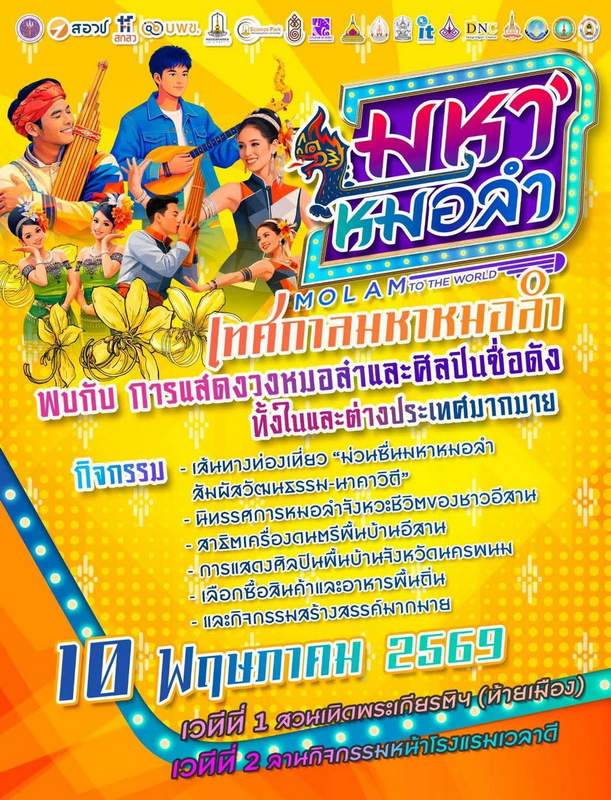
Program
Saturday May 11 2026.
14.00 to 15.00 hrs., Nakhon Phanom Provincial Folk Artist Performance
15.00 hrs. Until 16.00 hrs., Pong Lang Si Kottraboon Band Performance Nakhon Phanom University
16.00 to 17.00 hrs., Pong Lang Silp Isaan Band Performance, Mahasarakham University
17.00 to 17.45 hrs., Mo Lam to International
Artist Performance 17.45 to 18.30 hrs., Folk Artist Performance Mo Lam Angkana Khun Chai
In addition, there are activities throughout the day, from 10.00 a.m. to 6.30 p.m., including the opening of a shop selling community products, an exhibition on the rhythm of life of the Isaan people, and a photo booth to dress up as a hero. Heroine and see the view of Nakhon Phanom city from the perspective on the Mekong Rivereye, the giant Ferris wheel of the Mekong Basin
.
For the evening Move the fun to the 2nd stage, the activity area in front of the Vedeen Nakhon Phanom Hotel

 maps.app.goo.gl
19.00 Until 19.45 hrs., Performing Mo Lam to the International
maps.app.goo.gl
19.00 Until 19.45 hrs., Performing Mo Lam to the International
19.45 to 20.15 hrs., Performance by the Lao National Institute of Fine Arts and the Lao Sound Association, Lao PDR
20.15 to 20.30 hrs., Opening Ceremony of Maha Mo Lam Festival, Nakhon Phanom Province
20.30 to 21.15 hrs., Performance of Folk Artists Dr. Lam Angkhana Khun Chai
21.15 hrs. Until 22.00 hrs., Artist Performance Silipon Si Pa Set, Lao PDR
22.00 to 03.00 hrs., Ending the fun with the performance of Dr. Lam Khanjai Over 100 khaen.
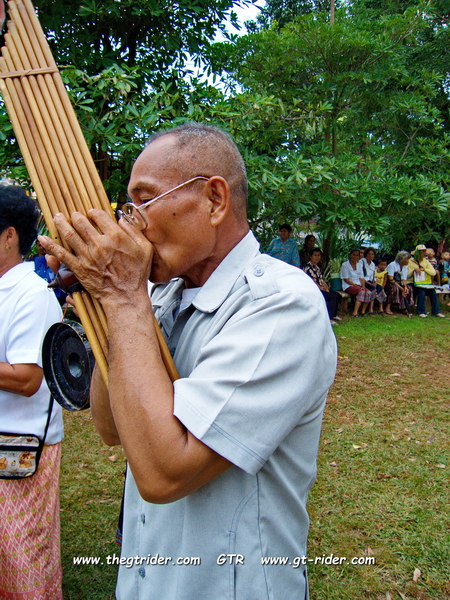
Mo Lam "Thai Blues Music."
Is the incredible bluesy music you always hear at Thai Festivals in the North - East & elsewhere,
The Dan Sai Phi Ta Khon festival and the Yasothon Rocket festival are two perfect examples of Mo Lam Music.
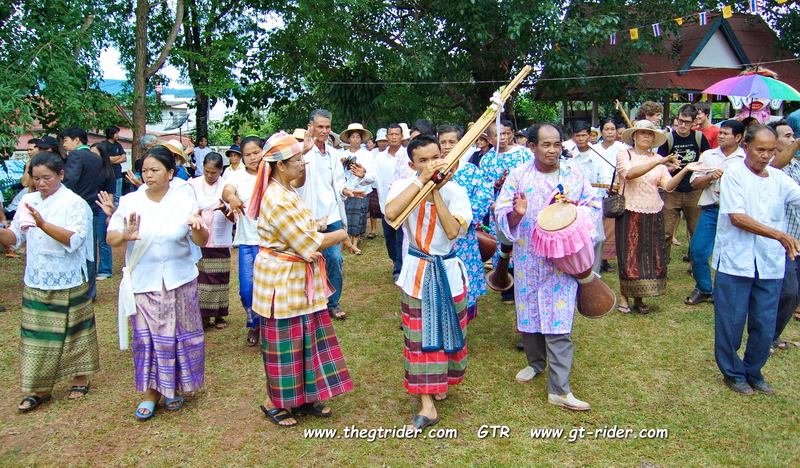
From Wikipedia
Mo Lam is a traditional Lao form of song originating in Laos that is also popular in Isan, where the majority of the population is ethnic Lao.
Morlam (or molam) is a traditional storytelling and entertainment form in the Southeast Asian country of Laos, and the northeastern part of Thailand (formerly part of Laos), known as Isaan.
The term molam is a combination of the term mo, meaning “master,” and lam, meaning to sing in a style called lam. Literally then, molam means “master of the lam singing style,” but the term is also used more generally to performances in the lam genre. It refers to both the music and the artist. Other romanisations used include mor lum, maw lam, maw lum, moh lam, mhor lum, and molum. In Laos, both the music and singer is called mor lam (ໝໍລຳ), and when referencing the subgenre/ region of origin, the term "lam" is used, followed by the subgenre/region name.
The characteristic feature of lam singing is the use of a flexible melody tailored to the tones of the words in the text. Traditionally, the tune was developed by the singer as an interpretation of a klon poem and accompanied primarily by the khene (a free reed mouth organ). The modern form is frequently composed and uses electrified instruments. Traditional forms (and some Lao genres) use a slower tempo than the quicker tempo and faster deliveries of more modern lam music. Strong rhythmic accompaniments, vocal leaps, and a conversational style of singing distinguish lam from American rap.
Typically featuring a theme of unrequited love, mor lam often reflects the difficulties of life in rural Isan and Laos, leavened with wry humour. In its heartland, performances are an essential part of festivals and ceremonies. Lam has gained a profile outside its native regions from the spread of migrant workers, for whom it remains an important cultural link with home.
Mor lam started to spread in Thailand in the late-1970s and early-1980s, when more and more people left rural Isan to seek work. Mor lam performers began to appear on television, led by Banyen Rakgaen, and the music soon gained a national profile. It remains an important link to home for Isan migrants in the capital city, where mor lam clubs and karaoke bars are meeting places for those newly arrived. Though Mor lam spread in Thailand, it was popular only among the ethnic Lao people from Isan, and not Thai people, as this type of music was viewed as inferior; In Bangkok, it was viewed as music for the low class or rural people.
Contemporary mor lam is very different from that of previous generations. None of the traditional Isan genres is commonly performed today; instead singers perform three-minute songs combining lam segments with luk thung[6] or pop style sections, while comedians perform skits between blocks of songs. Mor lam sing performances typically consist of medleys of luk thung and lam songs, with electric instruments dominant and bawdy repartee. Sing comes from the English word 'racing' (a reference to the music's origin among Isan's biker fraternity; pai sing means 'to go racing about on motorbikes')
Thai academic Prayut Wannaudom has argued that modern mor lam is increasingly sexualised and lacking in the moral teachings which it traditionally conveyed, and that commercial pressures encourage rapid production and imitation rather than quality and originality. On the other hand, these adaptations have allowed mor lam not only to survive, but itself spread into the rest of Thailand and internationally, validating Isan and Lao culture and providing role-models for the young
Famous Mor Lam artists
Banyen Rakgan
→ National Artist, traditional master
Jintara Poonlarp
→ Huge crossover star (Mor Lam + pop)
Monkaen Kaenkoon
→ Emotional, modern Isan sound
Rasmee Isan Soul
→ Modern/global Mor Lam fusion
Source TAT Nakhon Phanom.
Saturday May 11, 2026
The first official TAT-sponsored Maha Mo Lam Festival is being held under the concept “Muan Chuen Maha Mo Lam: Experience the Culture of Nakawithi.” The event aims to elevate Mor Lam to an international level, showcasing its cultural significance and expanding its global reach.
What is Mor Lam (หมอลำ)?
Mor Lam is the signature folk music of Northeast Thailand (Isan) and neighboring Laos. It blends storytelling, poetry, rhythm, and performance—traditionally improvised and often humorous, romantic, or satirical. (Rollicking Thai Blues Music IMHO.)
Program
Saturday May 11 2026.
14.00 to 15.00 hrs., Nakhon Phanom Provincial Folk Artist Performance
15.00 hrs. Until 16.00 hrs., Pong Lang Si Kottraboon Band Performance Nakhon Phanom University
16.00 to 17.00 hrs., Pong Lang Silp Isaan Band Performance, Mahasarakham University
17.00 to 17.45 hrs., Mo Lam to International
Artist Performance 17.45 to 18.30 hrs., Folk Artist Performance Mo Lam Angkana Khun Chai
In addition, there are activities throughout the day, from 10.00 a.m. to 6.30 p.m., including the opening of a shop selling community products, an exhibition on the rhythm of life of the Isaan people, and a photo booth to dress up as a hero. Heroine and see the view of Nakhon Phanom city from the perspective on the Mekong Rivereye, the giant Ferris wheel of the Mekong Basin
.
For the evening Move the fun to the 2nd stage, the activity area in front of the Vedeen Nakhon Phanom Hotel
Google Maps
Find local businesses, view maps and get driving directions in Google Maps.
maps.app.goo.gl
19.45 to 20.15 hrs., Performance by the Lao National Institute of Fine Arts and the Lao Sound Association, Lao PDR
20.15 to 20.30 hrs., Opening Ceremony of Maha Mo Lam Festival, Nakhon Phanom Province
20.30 to 21.15 hrs., Performance of Folk Artists Dr. Lam Angkhana Khun Chai
21.15 hrs. Until 22.00 hrs., Artist Performance Silipon Si Pa Set, Lao PDR
22.00 to 03.00 hrs., Ending the fun with the performance of Dr. Lam Khanjai Over 100 khaen.
Mo Lam "Thai Blues Music."
Is the incredible bluesy music you always hear at Thai Festivals in the North - East & elsewhere,
The Dan Sai Phi Ta Khon festival and the Yasothon Rocket festival are two perfect examples of Mo Lam Music.
From Wikipedia
Mo Lam is a traditional Lao form of song originating in Laos that is also popular in Isan, where the majority of the population is ethnic Lao.
Morlam (or molam) is a traditional storytelling and entertainment form in the Southeast Asian country of Laos, and the northeastern part of Thailand (formerly part of Laos), known as Isaan.
The term molam is a combination of the term mo, meaning “master,” and lam, meaning to sing in a style called lam. Literally then, molam means “master of the lam singing style,” but the term is also used more generally to performances in the lam genre. It refers to both the music and the artist. Other romanisations used include mor lum, maw lam, maw lum, moh lam, mhor lum, and molum. In Laos, both the music and singer is called mor lam (ໝໍລຳ), and when referencing the subgenre/ region of origin, the term "lam" is used, followed by the subgenre/region name.
The characteristic feature of lam singing is the use of a flexible melody tailored to the tones of the words in the text. Traditionally, the tune was developed by the singer as an interpretation of a klon poem and accompanied primarily by the khene (a free reed mouth organ). The modern form is frequently composed and uses electrified instruments. Traditional forms (and some Lao genres) use a slower tempo than the quicker tempo and faster deliveries of more modern lam music. Strong rhythmic accompaniments, vocal leaps, and a conversational style of singing distinguish lam from American rap.
Typically featuring a theme of unrequited love, mor lam often reflects the difficulties of life in rural Isan and Laos, leavened with wry humour. In its heartland, performances are an essential part of festivals and ceremonies. Lam has gained a profile outside its native regions from the spread of migrant workers, for whom it remains an important cultural link with home.
Mor lam started to spread in Thailand in the late-1970s and early-1980s, when more and more people left rural Isan to seek work. Mor lam performers began to appear on television, led by Banyen Rakgaen, and the music soon gained a national profile. It remains an important link to home for Isan migrants in the capital city, where mor lam clubs and karaoke bars are meeting places for those newly arrived. Though Mor lam spread in Thailand, it was popular only among the ethnic Lao people from Isan, and not Thai people, as this type of music was viewed as inferior; In Bangkok, it was viewed as music for the low class or rural people.
Contemporary mor lam is very different from that of previous generations. None of the traditional Isan genres is commonly performed today; instead singers perform three-minute songs combining lam segments with luk thung[6] or pop style sections, while comedians perform skits between blocks of songs. Mor lam sing performances typically consist of medleys of luk thung and lam songs, with electric instruments dominant and bawdy repartee. Sing comes from the English word 'racing' (a reference to the music's origin among Isan's biker fraternity; pai sing means 'to go racing about on motorbikes')
Thai academic Prayut Wannaudom has argued that modern mor lam is increasingly sexualised and lacking in the moral teachings which it traditionally conveyed, and that commercial pressures encourage rapid production and imitation rather than quality and originality. On the other hand, these adaptations have allowed mor lam not only to survive, but itself spread into the rest of Thailand and internationally, validating Isan and Lao culture and providing role-models for the young
Famous Mor Lam artists
Banyen Rakgan
→ National Artist, traditional master
Jintara Poonlarp
→ Huge crossover star (Mor Lam + pop)
Monkaen Kaenkoon
→ Emotional, modern Isan sound
Rasmee Isan Soul
→ Modern/global Mor Lam fusion
Source TAT Nakhon Phanom.
Last edited:
